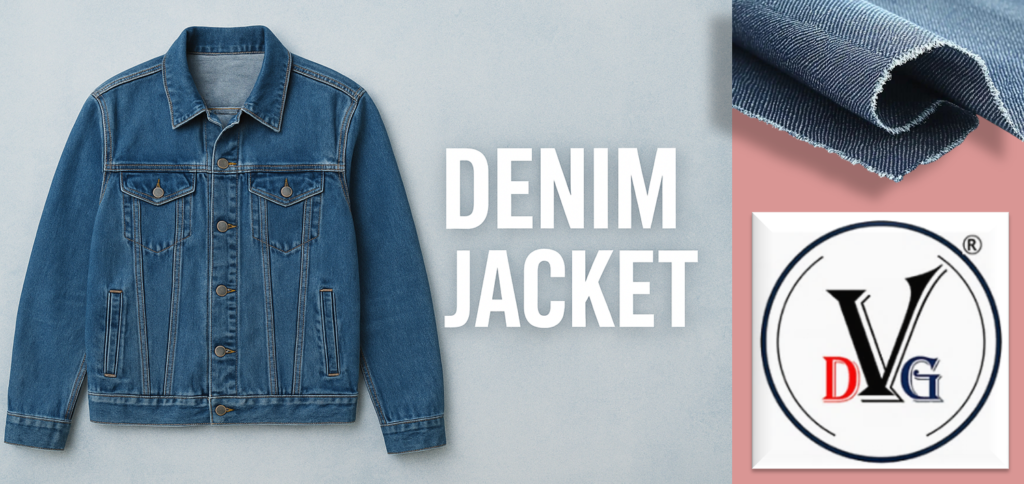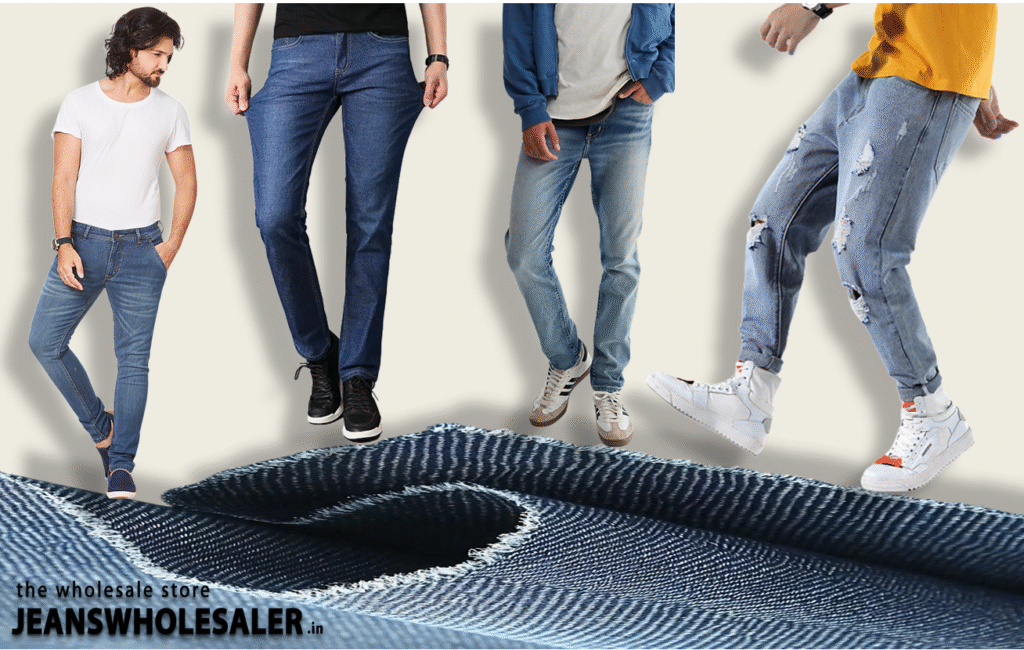
Denim Vistara Global Pvt. Ltd. is a trusted Men’s Denim Jacket Manufacturer in India, offering quality denim jacket manufacturing solutions for fashion brands, wholesalers, retailers, exporters, and private label businesses.
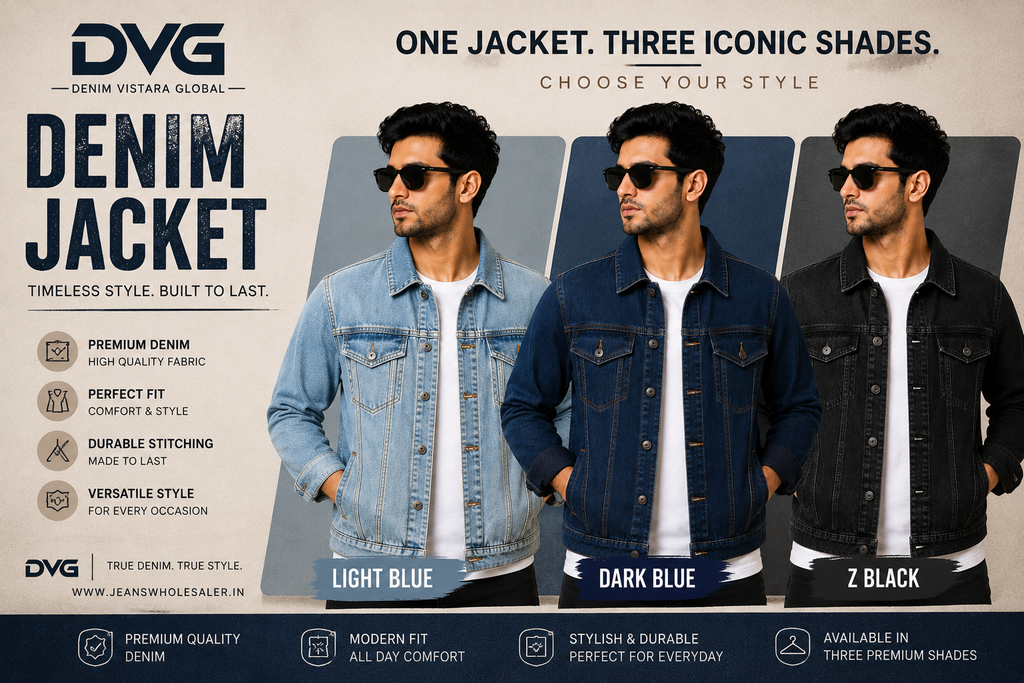
We manufacture men’s denim jackets in different styles, washes, colors, and fits according to the requirements of each customer. From classic blue and sky-blue denim jackets to black, vintage, oversized, and custom styles, our team focuses on quality construction, comfortable fits, and durable finishing.
Our Men’s Denim Jacket Manufacturing Services
- Custom Denim Jacket Manufacturing
- Private Label & OEM/ODM Production
- Custom Designs and Fits
- Fabric Sourcing
- Sampling & Product Development
- Custom Wash & Finishing
- Brand Labels, Hang Tags & Packaging
- Bulk Production
Our manufacturing process includes pattern making, fabric cutting, stitching, washing, finishing, quality inspection, and packing. We work closely with brands to understand their design requirements and develop products according to their specifications.
Whether you are launching a new denim brand, expanding your existing collection, or looking for a reliable wholesale denim jacket supplier, Denim Vistara Global Pvt. Ltd. provides complete manufacturing support from sample development to bulk production.
Why Choose Denim Vistara?
We focus on consistent quality, modern denim styles, competitive pricing, and reliable production. Our experience in denim apparel allows us to manufacture jackets suitable for fashion brands and businesses in both domestic and international markets.
Looking for a reliable Men’s Denim Jacket Manufacturer in India? Contact Denim Vistara Global Pvt. Ltd. to discuss your designs, fabric requirements, sampling, and bulk production needs.
Denim Vistara Global Pvt. Ltd.
📱 +91 7738270122
☎️ +91 2249749333
✉️ info@denimvistara.com
🌐 www.denimvistara.com
📍 Factory Address:
🗺️ Map Location: